
Essential Vitamins
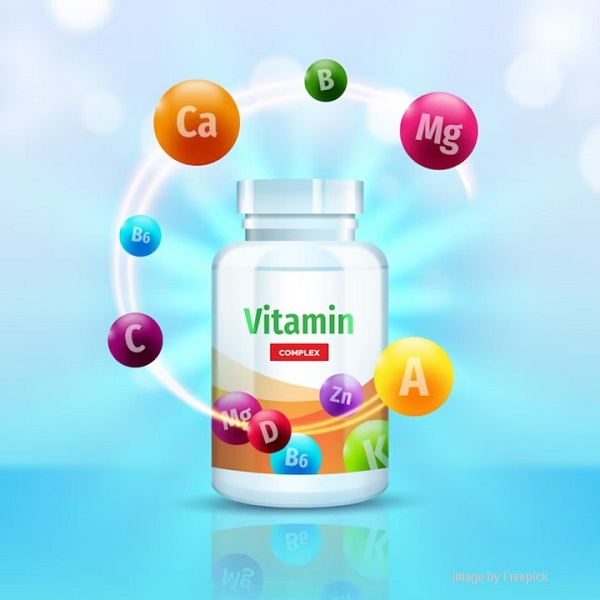
Vitamins and minerals are essential substances that our bodies need to develop and function normally. The known vitamins include A, C, D, E, and K, and the B vitamins: thiamin (B1), riboflavin (B2), niacin (B3), pantothenic acid (B5), pyridoxal (B6), biotin (B7), folate/folic acid (B9) and cobalamin (B12). Choline is a vitamin-like dietary component that is clearly required for normal metabolism but that can be synthesized by the body. Several minerals are essential for health: calcium, phosphorus, potassium, sodium, chloride, magnesium, iron, zinc, iodine, sulphur, cobalt, copper, fluoride, manganese, and selenium.
Vitamin A is an essential fat-soluble nutrient that plays an important role in the body. Vitamin A occurs naturally in foods and can also be obtained through synthetic supplements. This article discusses vitamin A, including its benefits, food sources, as well as the effects of deficiency and toxicity. Vitamin A is essential for health, they work to support cell growth, immune function, physical development and eye health. Strong Antioxidants Provitamin A carotenoids such as beta-carotene, alpha-carotene and beta-cryptoxanthin are precursors of vitamin A and have antioxidant properties. Carotenoids fight free radicals, highly reactive molecules that can harm your body by creating oxidative stress. Oxidative stress has been linked to various chronic diseases such as diabetes, cancer, heart disease, and cognitive decline.
Vitamin B1, or Thiamin, or vitamin B1, is a water-soluble vitamin found naturally in some foods, added to foods, and sold as a supplement. Thiamin plays a vital role in the growth and function of various cells. Only small amounts are stored in the liver, so a daily intake of thiamin-rich foods is needed.
Vitamin B2, or riboflavin, is naturally present in foods, added to foods, and available as a supplement. Bacteria in the gut can produce small amounts of riboflavin, but not enough to meet dietary needs. Riboflavin is a key component of coenzymes involved with the growth of cells, energy production, and the breakdown of fats, steroids, and medications. Most riboflavin is used immediately and not stored in the body, so excess amounts are excreted in the urine.
Vitamin B3, or Niacin, is a water-soluble B vitamin found naturally in some foods, added to foods, and sold as a supplement. The two most common forms of niacin in food and supplements are nicotinic acid and nicotinamide. The body can also convert tryptophan—an amino acid—to nicotinamide. Niacin works in the body as a coenzyme, with more than 400 enzymes dependent on it for various reactions. Niacin helps to convert nutrients into energy, create cholesterol and fats, create, and repair DNA, and exert antioxidant effects.
Vitamin B5, or pantothenic acid, is naturally present in foods, added to foods, and available as a supplement. It is used to make coenzyme A (CoA), a chemical compound that helps enzymes to build and break down fatty acids as well as perform other metabolic functions, and acyl carrier protein, which is also involved in building fats. Pantothenic acid is found in a wide variety of foods. Bacteria in the gut can also produce some pantothenic acid but not enough to meet dietary needs.
Vitamin B6 contributes to the normal function of the immune system, the regulation of hormonal activity, normal cysteine synthesis, normal energy-yielding metabolism, normal homocysteine metabolism, normal protein and glycogen metabolism and the reduction of tiredness and fatigue. A very well know and effective diuretic. Click here and here for EFSA scientific opinions.
Vitamin B7, or Biotin, is a water-soluble B vitamin found naturally in some foods and in supplements. Biotin plays a vital role in assisting enzymes to break down fats, carbohydrates, and proteins in food. It also helps to regulate signals sent by cells and the activity of genes. Found in avocado, soft boiled eggs with yolks, and pine nuts.
Vitamin B9, or folate, is water-soluble and naturally found in many foods and also sold as a supplement in the form of folic acid; this form is actually better absorbed than that from food sources—85% vs. 50%, respectively. Folate helps to form DNA and RNA and is involved in protein metabolism. It plays a key role in breaking down homocysteine, an amino acid that can exert harmful effects in the body if it is present in high amounts. Folate is also needed to produce healthy red blood cells and is critical during periods of rapid growth, such as during pregnancy and fetal development. Foods rich in folate including beans, broccoli, shellfish, peanuts, liver, nuts, and spinach.
Vitamin B12, or cobalamin, is naturally found in animal foods. It can also be added to foods or supplements. Vitamin B12 is needed to form red blood cells and DNA. It is also a key player in the function and development of brain and nerve cells. Vitamin B12 binds to the protein in the foods we eat. In the stomach, hydrochloric acid and enzymes unbind vitamin B12 into its free form. From there, vitamin B12 combines with a protein called intrinsic factor so that it can be absorbed further down in the small intestine.
Vitamin C contributes to maintaining the normal function of the immune system. It also contributes to normal collagen formation for the normal function of blood vessels, bones, cartilage, gums, skin and teeth, normal energy-yielding metabolism, normal functioning of the nervous system, normal psychological function, protection of cells from oxidative stress, the reduction of tiredness and fatigue, the regeneration of the reduced form of vitamin E and increases iron absorption. Click here and here for EFSA scientific opinions.
Vitamin D contributes to the normal function of the immune system and healthy inflammatory response, normal absorption/utilisation of calcium and phosphorus, normal blood calcium levels, the maintenance of normal bones, the maintenance of normal muscle function, the maintenance of normal teeth, it has a role in the process of cell division and is needed for normal growth and development of bone in children. Click here, here, here, here, here and here for EFSA scientific opinions.
Vitamin E contributes to the protection of cells from oxidative stress. Click here for EFSA scientific opinion.
Vitamin K is a fat-soluble vitamin, so your body stores it in fat tissue and the liver. It is best known for its role in helping blood clot, or coagulate, properly. Your body needs vitamin K to use calcium to build bone. In the U.S., Canada, Great Britain, and many other countries, all newborns receive vitamin K injections to prevent the possibility of bleeding, particularly in the brain. Foods that contain a significant amount of vitamin K include beef liver, green tea, turnip greens, broccoli, kale, spinach, cabbage, asparagus, and dark green lettuce. Chlorophyll is the substance in plants that gives them their green color and provides vitamin K.
Vitamins synthesized in the laboratory are the same molecules as those extracted from food, and they cannot be distinguished by the body.
The information provided on this site is intended for your general knowledge only and is not a substitute for professional medical advice or treatment for specific medical conditions. Always seek the advice of your physician or other qualified health care provider with any questions you may have regarding a medical condition and the use of Food Supplements and Herbs or any other product you are interested in buying from us. The information on this website is not intended to diagnose, treat, cure, or prevent any disease. Never disregard medical advice or delay in seeking it because of something you have read on the Ecofoodsandmore.com website. Product sold on this site are for personal use and not for resale. When buying or consuming as gift any of our products from this website you accept full responsibility on usage of the products you take. All orders placed through this website are subject to our terms of service and policies. This means that Eco Foods and More may refuse to accept, or may cancel, any order, whether it has been confirmed or not, without liability to you or any third party. Eco Foods and More reserves the right to discontinue any program or offer, or this website at its sole discretion.